
Build or Restore Ponds That Hold Water Year-Round
Pond Construction and Maintenance in Gladstone, Illinois and Surrounding Areas
Ponds provide water for livestock, support drainage on large properties, and offer recreational use for rural landowners around Gladstone and its neighboring cities. Whether you need a new pond excavated or an existing one cleaned and reshaped, the work requires careful planning and the right equipment to ensure the pond holds water and functions as intended. A poorly built pond leaks, silts in quickly, or becomes a maintenance burden instead of an asset.
Husband Family Excavating builds new ponds and maintains existing ones across West Central Illinois, using excavation expertise to shape basins, manage drainage, and restore water capacity on rural properties. The service is common for farm operations, large residential lots, and properties where water management is part of land use planning. You end up with a functional pond that serves your needs without ongoing problems.
Talk with us about pond construction or maintenance and we will visit your property to assess soil, drainage, and site conditions before any digging begins.
What Goes Into Building a Pond That Lasts
New pond construction starts with site evaluation to identify where water will collect, how drainage flows, and whether the soil will hold water without excessive seepage. Excavation equipment digs the basin to the planned depth and shape, piling soil to form an embankment or spillway as needed. Gladstone properties and and surrounding neighborhoods with clay-rich soil hold water better than sandy or rocky ground, which may require additional sealing or liner work.
After construction, you will see a shaped basin with compacted embankments and a clear drainage path that directs runoff into the pond. Water begins filling naturally from rainfall and groundwater, and the pond stabilizes over the first few months. You can stock fish, fence the perimeter, or connect watering systems once the water level is consistent.
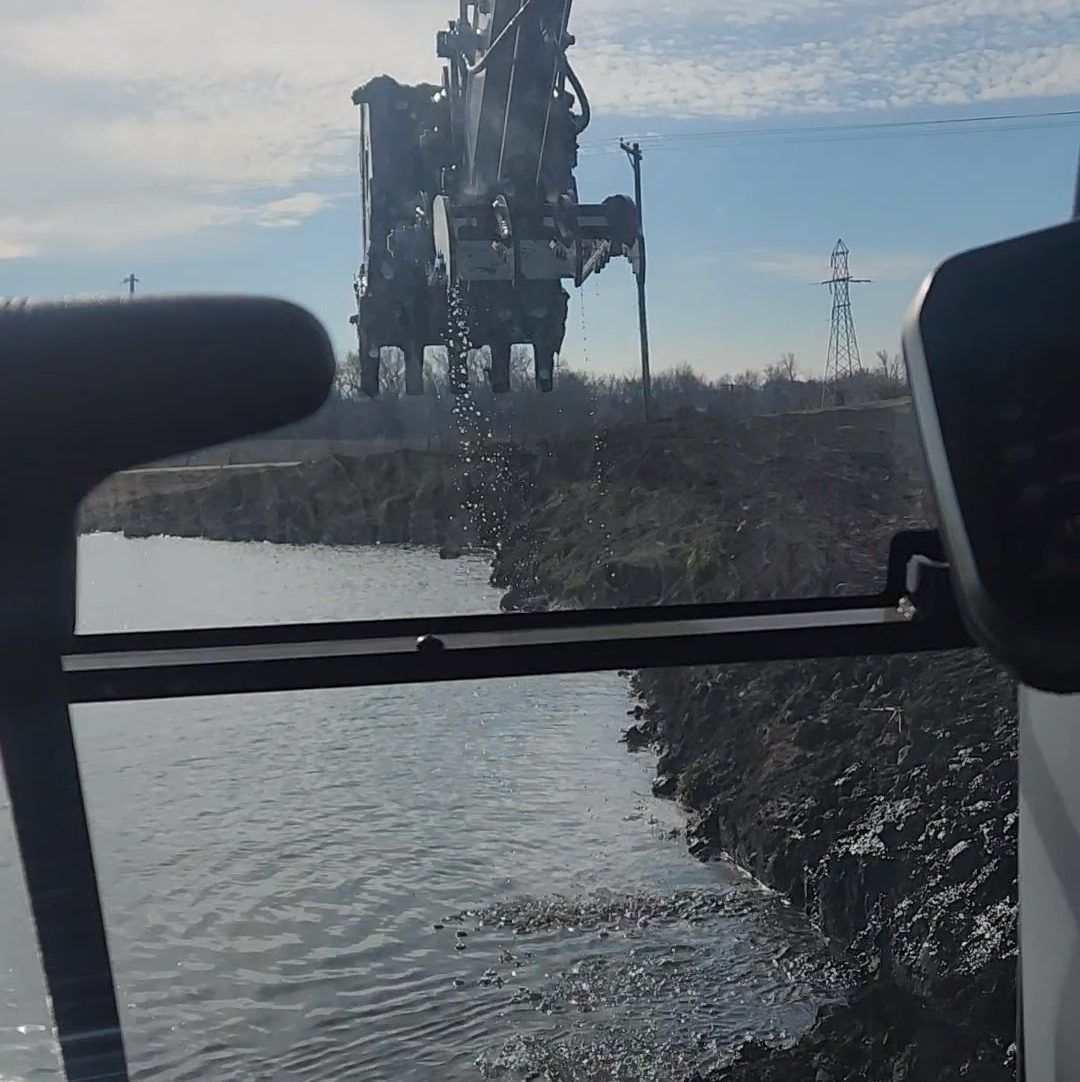
Pond maintenance involves removing sediment buildup, reshaping eroded banks, and clearing vegetation that clogs inflows or reduces capacity. Maintenance does not include fish stocking, aeration systems, or water quality testing unless arranged separately. Timing depends on pond size and condition, but most maintenance projects are completed in one to three days.
Building or Maintaining a Pond Raises Practical Questions
Landowners considering pond construction or maintenance in rural Illinois often want to know how long the work takes, what affects water retention, and when maintenance is needed.
Husband Family Excavating serves rural landowners throughout the Gladstone and surrounding areas with pond construction and maintenance services tailored to agricultural and recreational needs. Contact us to schedule a site visit and discuss your water management goals in detail.